
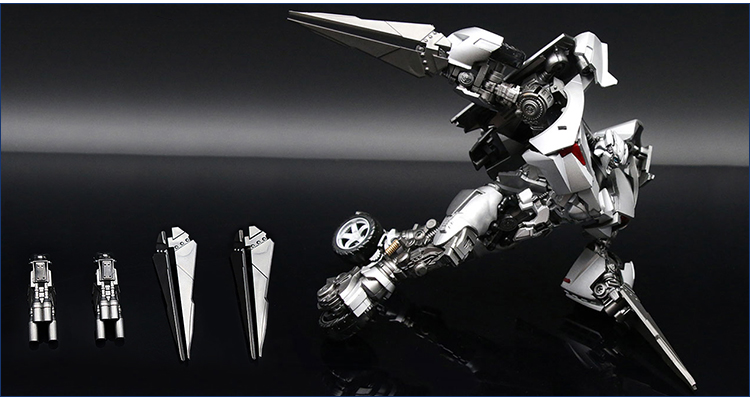
When you hear the familiar click-clank transformation sound effect, a generation’s childhood memories are instantly awakened. Transformers toys are not just playmates for children but a comprehensive art form integrating mechanical aesthetics, industrial design, and pop culture. Since their debut in 1984, these toys—capable of shifting between robot and vehicle modes—have become a legend in the global history of toys.
The Origin of Transformation: Imagining Mechanical Life
The creative concept of Transformers originated from Takara Tomy’s Micro Change and Diaclone series in Japan. In 1984, Hasbro licensed these transforming toys, repackaged them, and endowed them with a complete universe and character backstory, creating the Transformers brand. This simple idea—transforming everyday vehicles and mechanical devices into robots with distinct personalities—revolutionized the toy industry.
The early Generation 1 (G1) toys won the market with their straightforward transformation mechanisms and durable plastic materials. Optimus Prime’s transformation from a red truck into the leader of the Autobots required only about a dozen steps, perfectly demonstrating the ingenuity of hidden transformation. This design philosophy persists today: seamlessly integrating two forms to make the transformation process both logical and surprising.
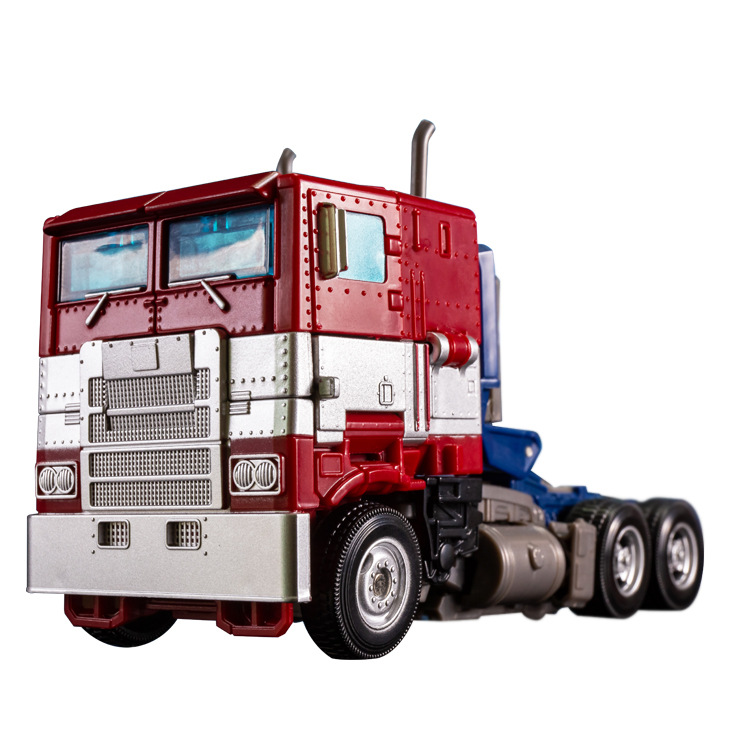
Engineering Marvel: The Evolution of Transformation Mechanisms
The development history of Transformers toys is a chronicle of advancements in micro-mechanical engineering:
G1 Era (1984–1992): Emphasized intuitive transformation and durability. Transformation steps were typically limited to under 20, making them suitable for children. The design featured panel conversion, where vehicle parts were often visible in robot mode.
Beast Wars Era (1996–1999): Introduced the concept of organic lifeform transformations. The Transmetals line adopted chrome plating and more complex joint systems, increasing transformation steps to around 30 and enabling more fluid shape-shifting.
Movie Era (2007–Present): To align with Michael Bay’s live-action films, toy designs reached unprecedented complexity. The Leader Class Optimus Prime features over 50 transformation steps, requiring precise adjustments for nearly every panel. This fragmented transformation design achieves a more human-like robot mode and a highly realistic vehicle mode.
Masterpiece Series (MP Series): A high-end line for adult collectors, pursuing ultimate accuracy and ingenious transformations. The MP-44 Optimus Prime 3.0 includes a complete internal skeleton structure, making the transformation process akin to a mechanical ballet, with every move meticulously calculated.
Cultural Symbolism: Meaning Beyond Toys
The success of Transformers toys lies not only in their mechanical design but also in the cultural significance they carry:
Materialization of Character Personality: Each Transformer’s transformation style reflects its personality. Optimus Prime’s transformation is steady and orderly, while Megatron’s is aggressive. Bumblebee’s transformation is simple and agile, fitting his role as a scout.
Cross-Generational Emotional Bonds: Many adults collect Transformers to fulfill childhood dreams and share the experience with the next generation. The process of transforming a toy together becomes a unique form of dialogue between parent and child.
Intersection of Art and Engineering: Today, Transformers design has entered the realm of art. Renowned designers like Shōgo Hasui and Takashi Kunihiro are celebrated as transformation artists, with their works displayed at toy and design exhibitions, blurring the lines between toys, models, and art.
Future Prospects: Transformation in the Smart Era
As technology advances, Transformers toys continue to innovate:
Smart Interaction: Recent releases in the Hasbro Pulse series incorporate voice interaction and automated transformation features, allowing partial transformation steps to be controlled via a smartphone app.
Material Innovation: The use of engineering plastics like nylon and POM enhances durability, while alloy components add a premium feel.
Sustainable Design: Hasbro has committed to using 100% recyclable or renewable materials in all products by 2030. Future Transformers may be made from eco-friendly plastics or even biodegradable materials.
Conclusion: The Eternal Allure of Transformation
Transformers toys have endured because they satisfy a fundamental human curiosity about shape-shifting. Every click embodies mechanical logic, and every successful transformation validates the design principle of form follows function. In today’s era of digital entertainment, the hands-on, physical experience of transformation feels more precious than ever.
As the core Transformers motto, “Change, not stagnation,” suggests, these toys themselves continue to evolve—from simple children’s playthings to complex products blending engineering, art, and emotion. They are not merely assemblies of plastic and metal but crystallizations of human imagination and craftsmanship, forever narrating the timeless story of change, adaptation, and innovation with every transformation.
The article is written perfectly!