Core Design
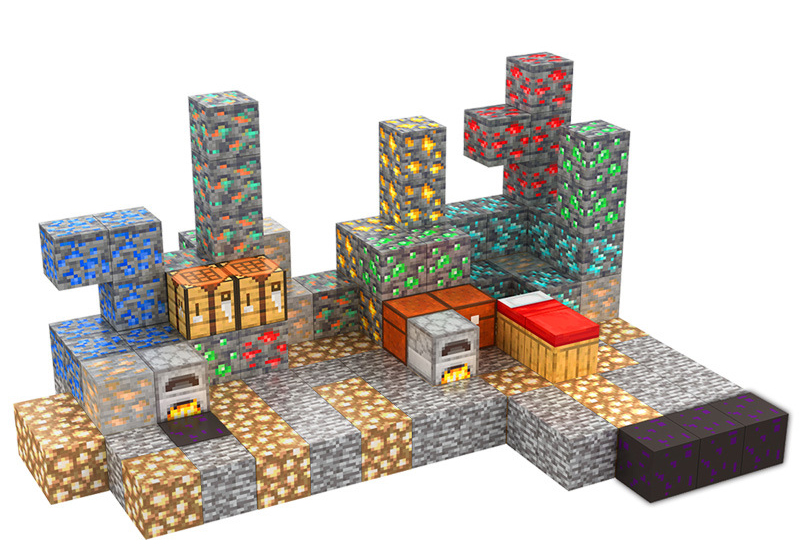
Minecraft bricks employ a 5mm modular system that perfectly replicates the game’s pixel aesthetic. Each block features studs on all four sides, enabling six-directional connections and achieving the game’s signature three-dimensional stacking effect. Special pieces such as doors and workbenches retain their functional designs, while Redstone components can simulate basic mechanical logic.
Educational Dimensions
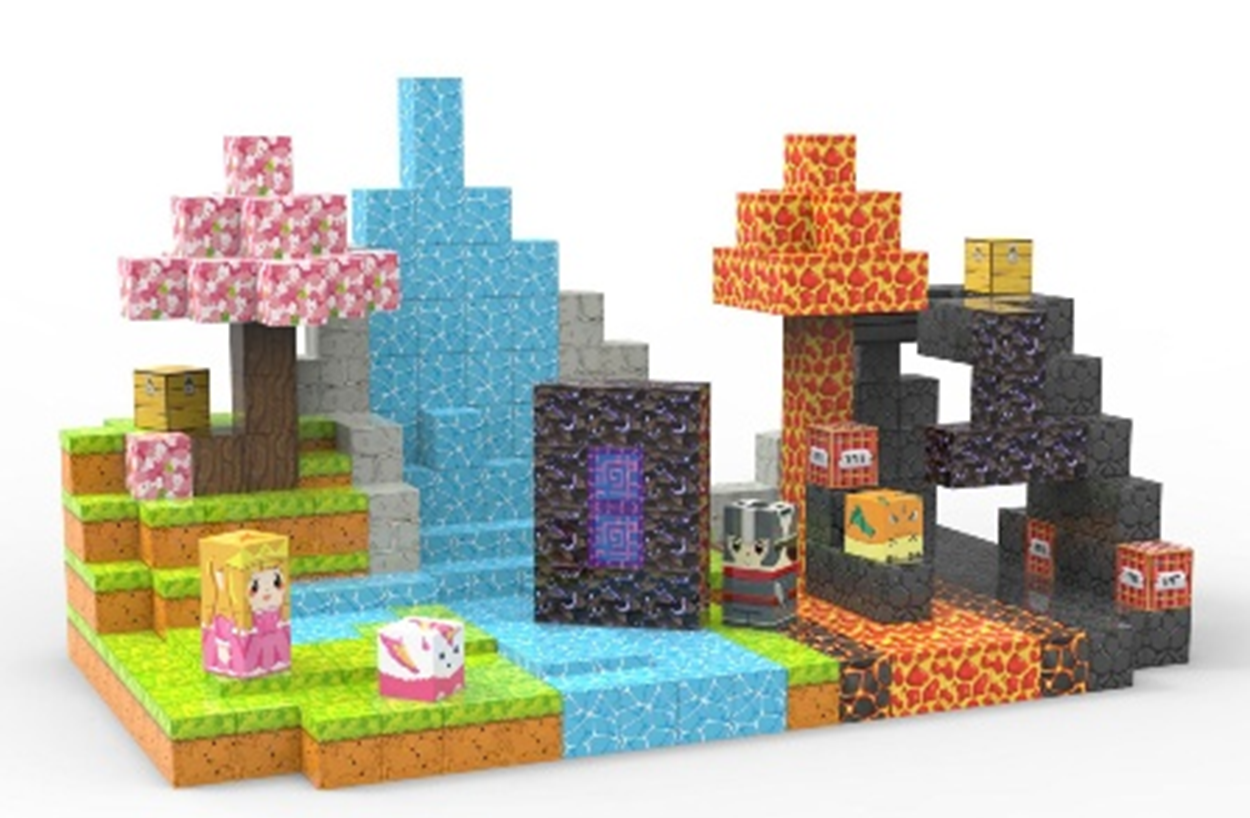
Structural Thinking: Over 20 classic in-game structures can be built using just 100 basic bricks
Engineering Introduction: Components like pistons and tracks demonstrate fundamental physical principles
Color Logic: The 16-color brick system cultivates color coordination and spatial planning skills
Player Ecosystem
Global players have developed three creative tiers: Basic Replication (1:1 recreation of game scenes), Hybrid Creation (fusion of multiple game elements), and Artistic Reconstruction (crafting miniature landscapes). Japanese builders once used 21,000 bricks to construct a dynamic Kyoto Tower model with synchronized lighting control.
Technological Evolution
The 2023 series introduced NFC chip modules that trigger in-game sound effects when scanned by smartphones. The eco-friendly line utilizes sugarcane-based materials, achieving 100% biodegradability. Future plans include AR instructions, allowing builders to view 3D architectural layering steps through scanning.
Cultural Value
These bricks have become a linguistic symbol for the digital-native generation, with permanent museum exhibitions displaying player-created models of civilizational epics. Educational institutions incorporate them into STEM tools, teaching students aged 8–14 coordinate systems and three-dimensional vectors through block-based programming.
Conclusion
From virtual pixels to physical modules, these bricks construct not just architectural models but a creative interface connecting digital and physical realms, gaming and education.